You may have noticed that yesterday is missing. There’s a reason for that, unfortunately. I was one of the five total people from our group (1/3 of our group) to come down with food poisoning symptoms and had a rough night with little sleep, so I stayed behind yesterday to catch up on sleep and rest my body.
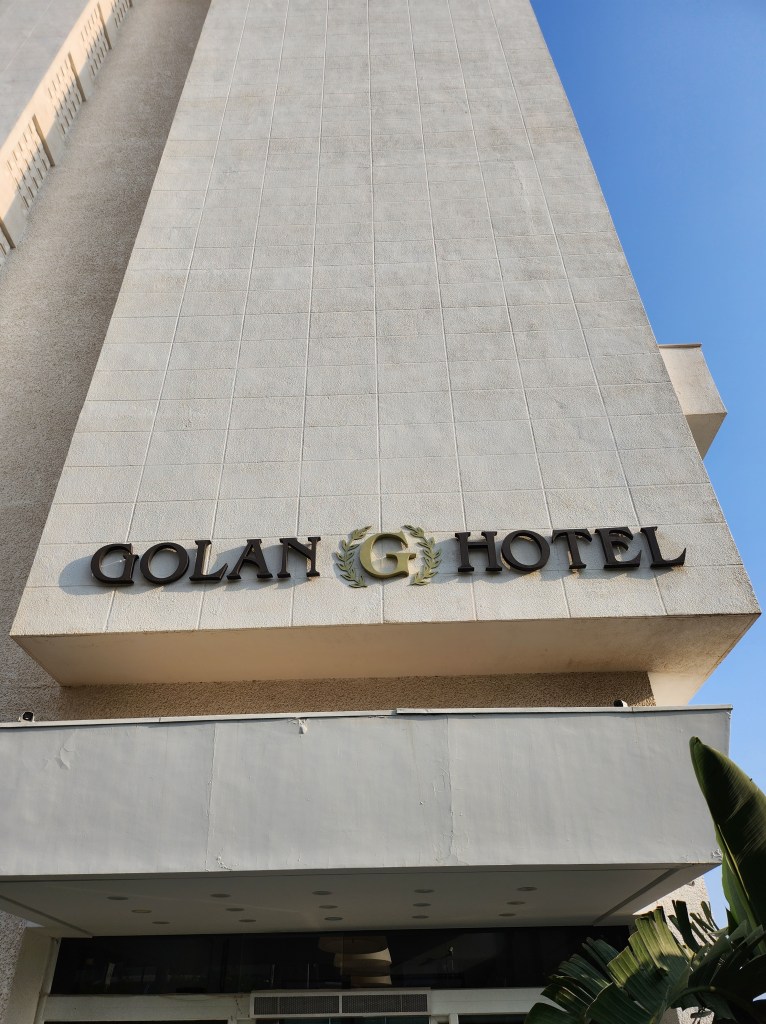
This is the hotel we stayed moved into the 6th and my room’s four walls were the extent of my travels on the 7th.
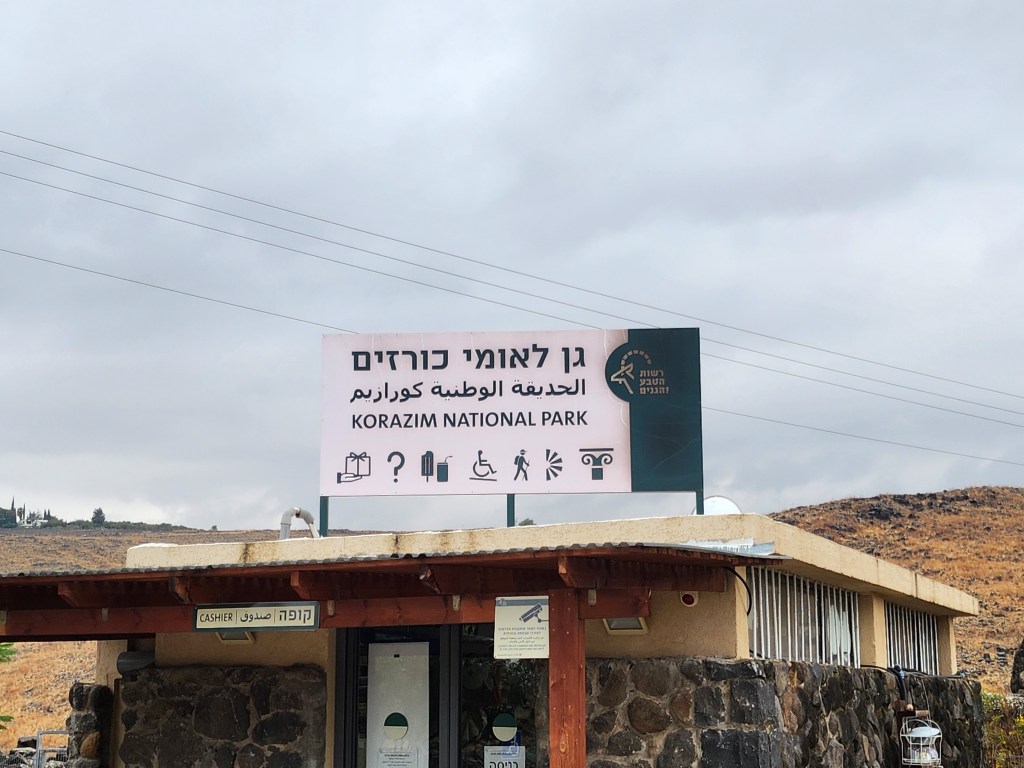
Needless to say, I was eager to be back with my peeps and back in an exploratory, learning mode. We first visited Korazim!
There is a synagogue that was excavated there that is still pretty well intact. We weren’t able to explore it, as the floor was being renovated, but it was still neat to see from the outside!
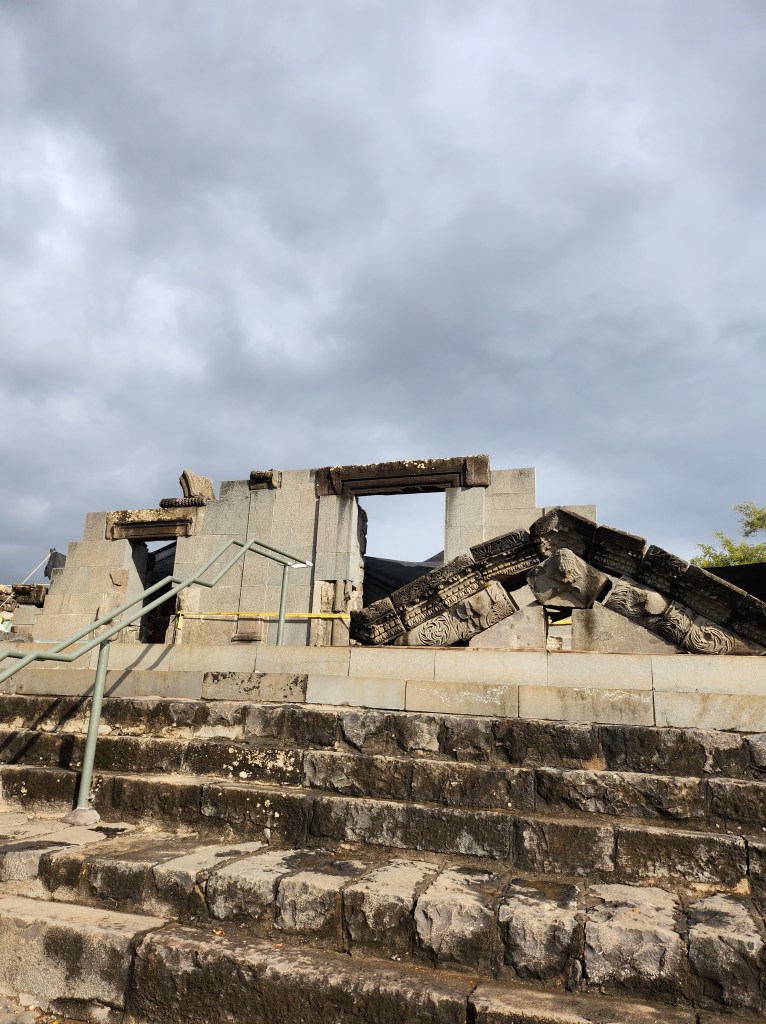
Something we learned was that there were no images and depictions in either synagogues or Jewish homes until the Byzantine period. At this synagogue, there is a depiction of Medusa, which is interesting, as that is Greek mythology.
At this synagogue was found what is known as the Seat of Moses, which represented authority. This is relevant to Jesus, as he refers to it in Matthew 23:2. He then follows this with a criticism of the Pharisees for abusing that authority with their hypocrisy and missing the heart of Scripture.
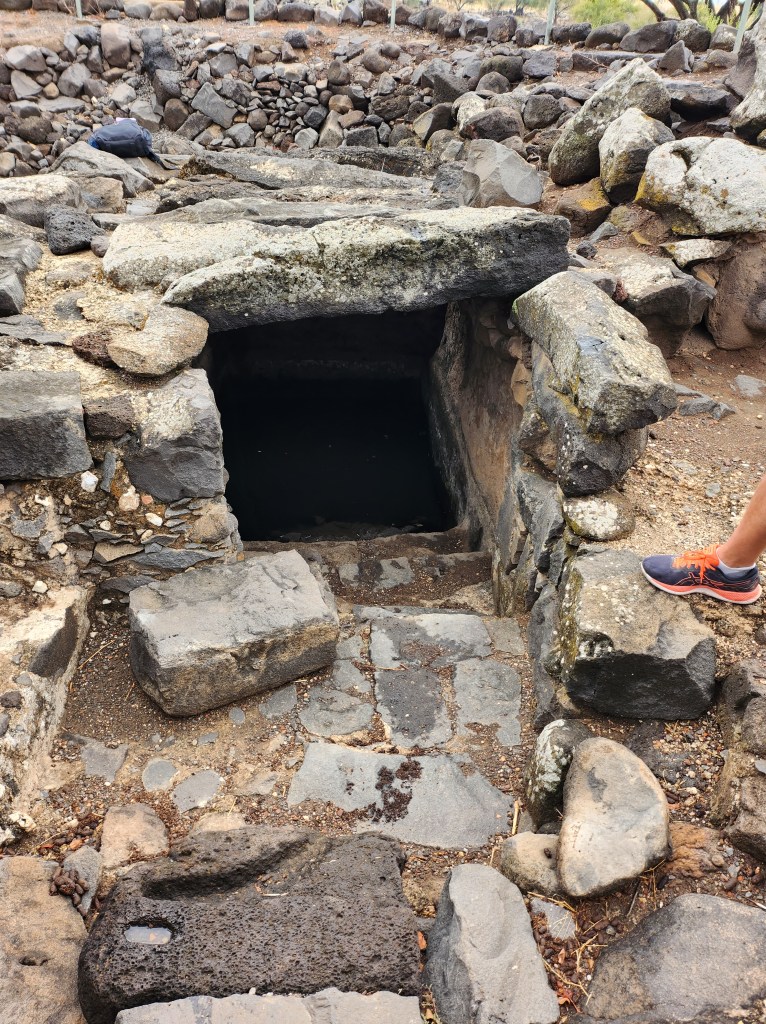
Not far below was a covered mikvah, which was used for ceremonial cleansing.
Korazim is also notable for being mentioned by Jesus as one of the cities in which He ministered, but He and His message was rejected (Matthew 11:20-24). What is significant is that it, along with Betsaida and Capernaum, are all being compared to non-Jewish cities (Tyre, Sidon, and Sodom).
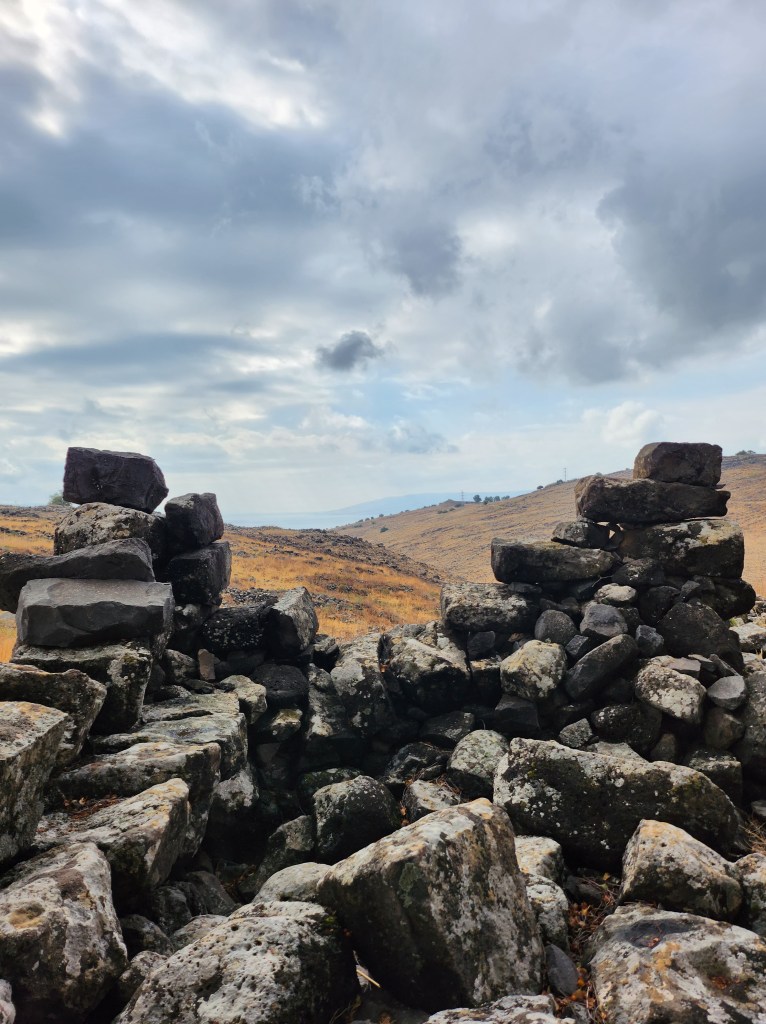
Sodom is commonly associated with one particular sin, but Ezekiel 16:49-50 spells out a much more convicting pronouncement of guilt: pride, gluttony, and prosperity with no generosity towards those in need.
It doesn’t seem too far of a stretch to associate a same pronouncement on the citizens of these cities, which inhibited them from seeing Jesus for who He was and considering following Him.
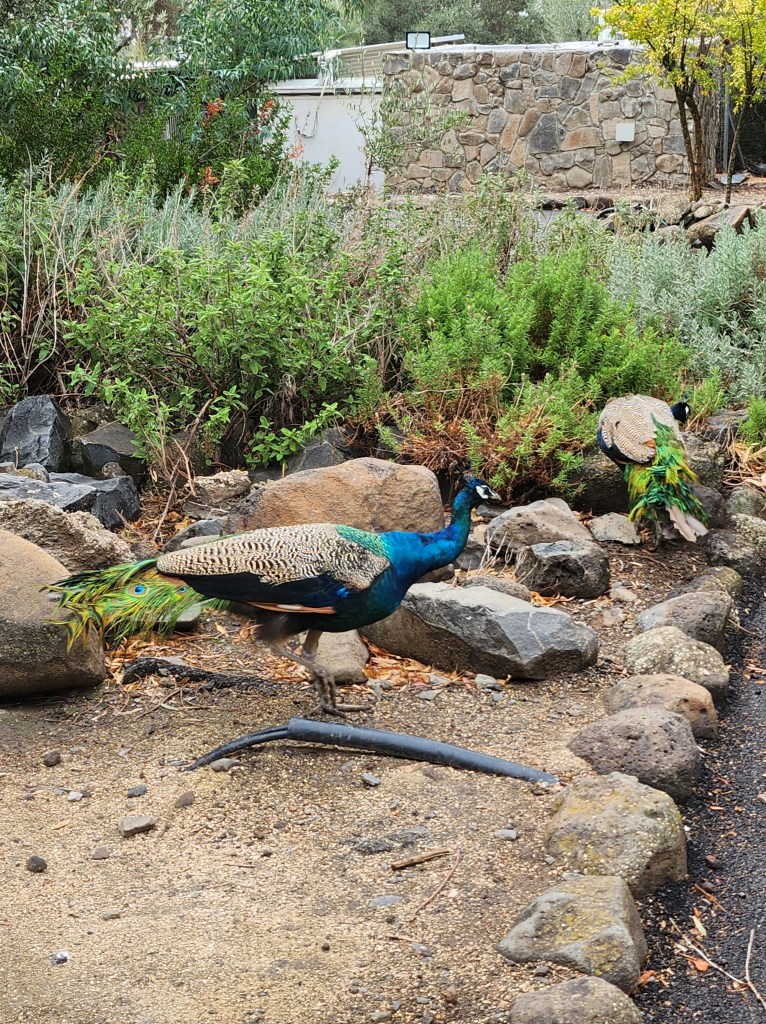
In other news, we saw a peacock!
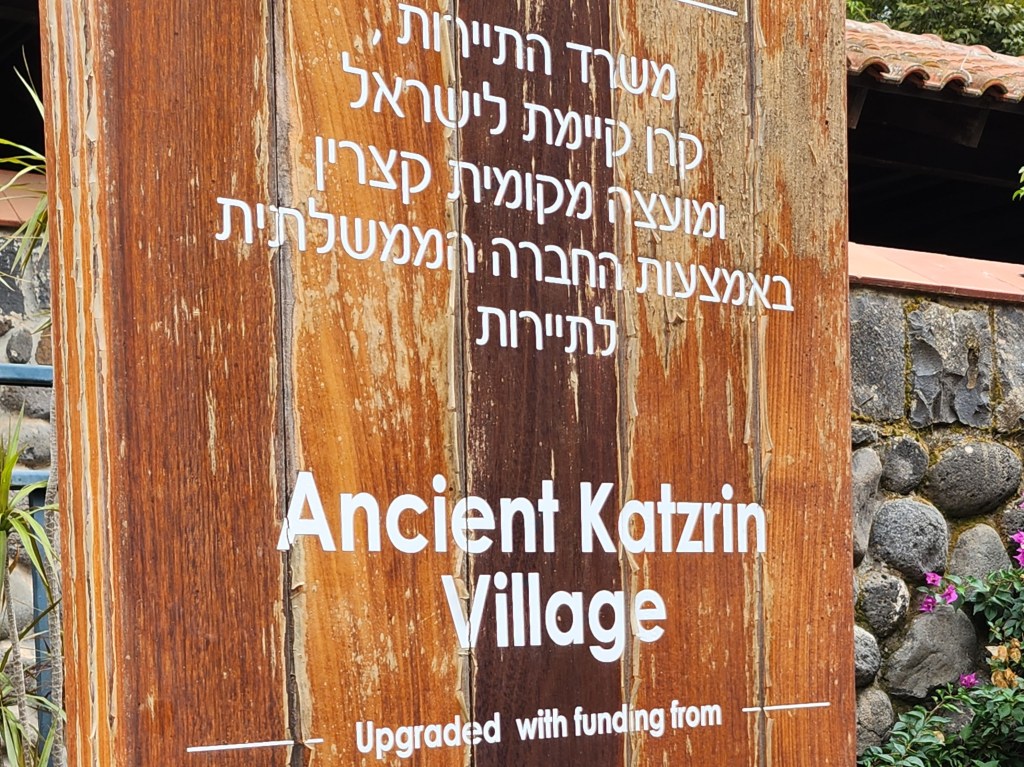
We then went to Katzrin, which is dated from the 3rd to 5th century. What was neat about this village is that it is the most built of ancient sites we’d been to, so it is easier to get a sense of what life could have looked like so long ago.
They had an oil press, which Tsuriel walked us through the process of using it looked like. I learned that olives, unlike nearly all other fruit trees, are completely inedible when picked directly from the tree. In ancient times, the olive would have been used moreso for the oil than for the olive itself (the olive has to sit in brine to be able to be eaten and salt was EXPENSIVE back in the day).
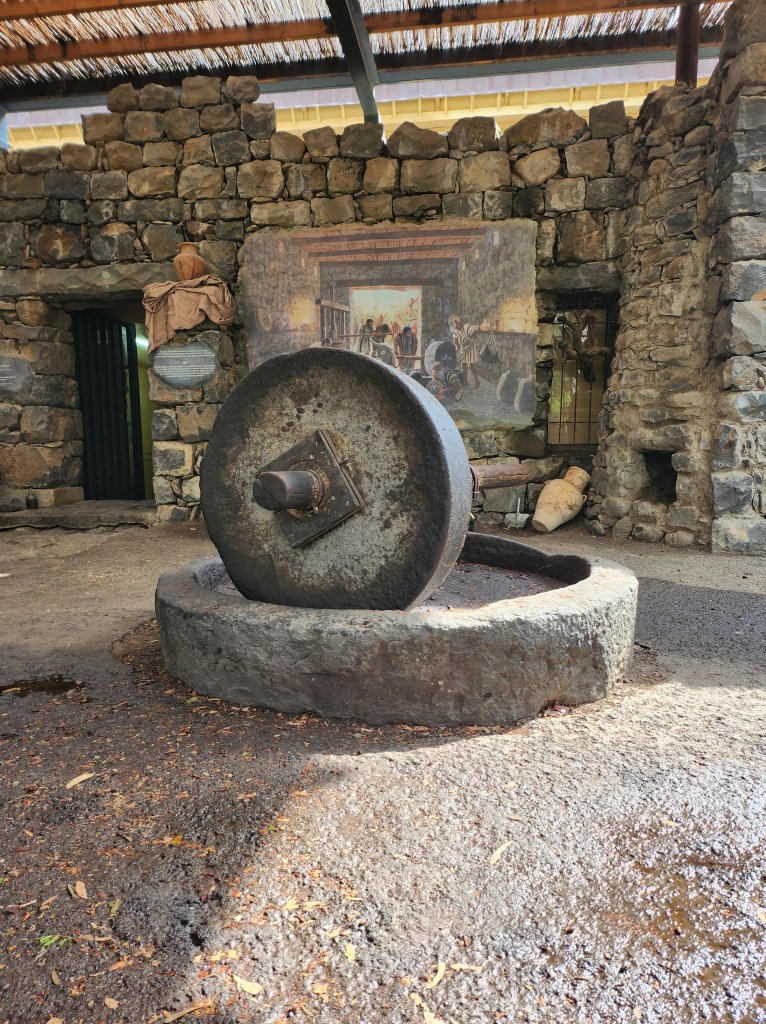
Gethsemane also means “press of oil”, which is where Jesus was “pressed” as He prayed before His impending betrayal, torture, and crucifixion. Olives are harvested in October/November, which gives insight as to why Jesus went there with His disciples during Passover (March/April); there weren’t many people there because it wasn’t time for harvest.
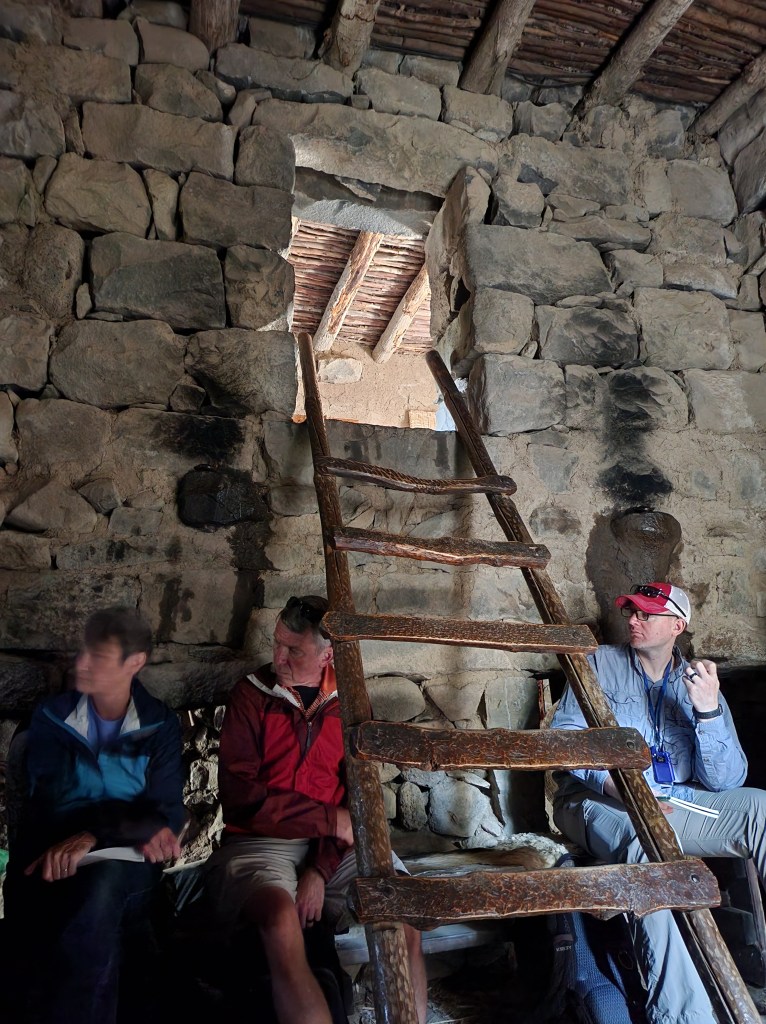
We then sat in a home and walked through some of the Scriptures that this home could help add context to, such as Luke 11:5-8.
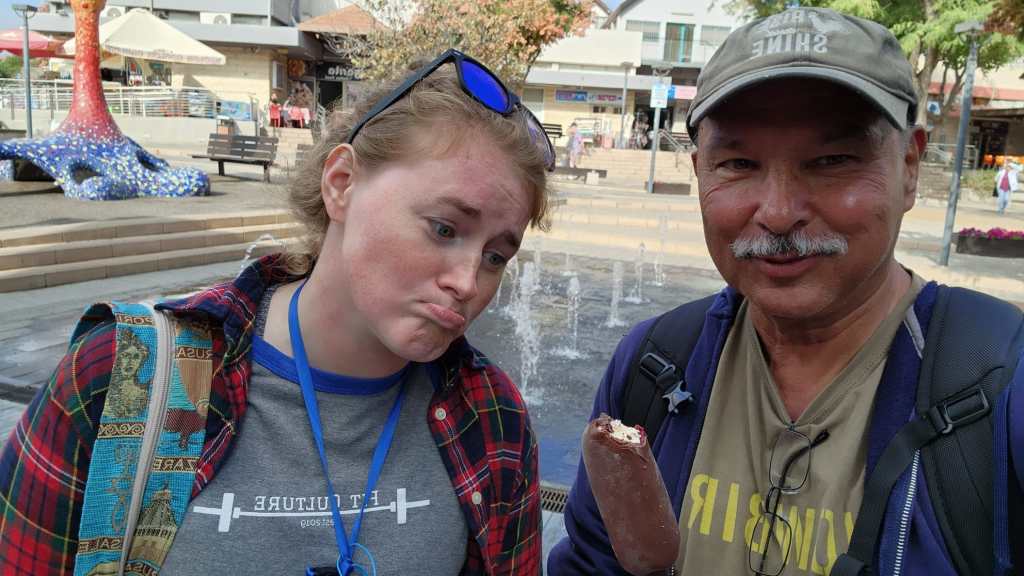
Due to recovering from food poisoning, I did not join Dave in the daily ice cream treat. However, I was invited into the picture regardless.
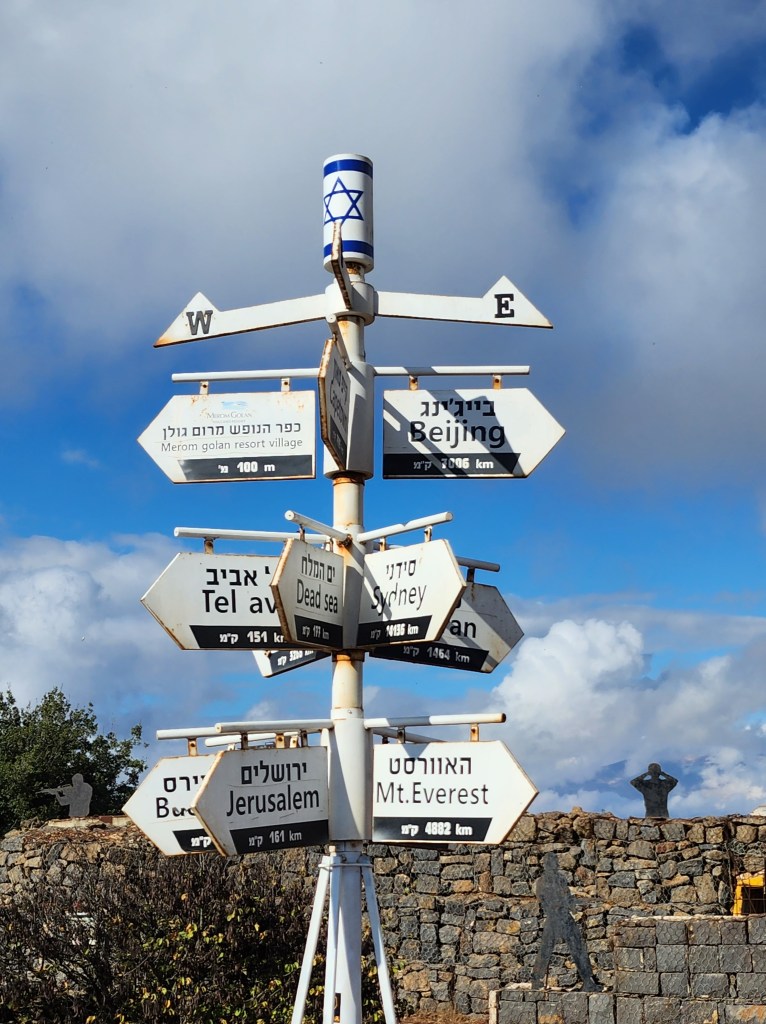
We then went to an area of the Golan Heights where Tsuriel walked us through some of the modern day warfare that has gone down in the area since the instatement of the State of Israel.
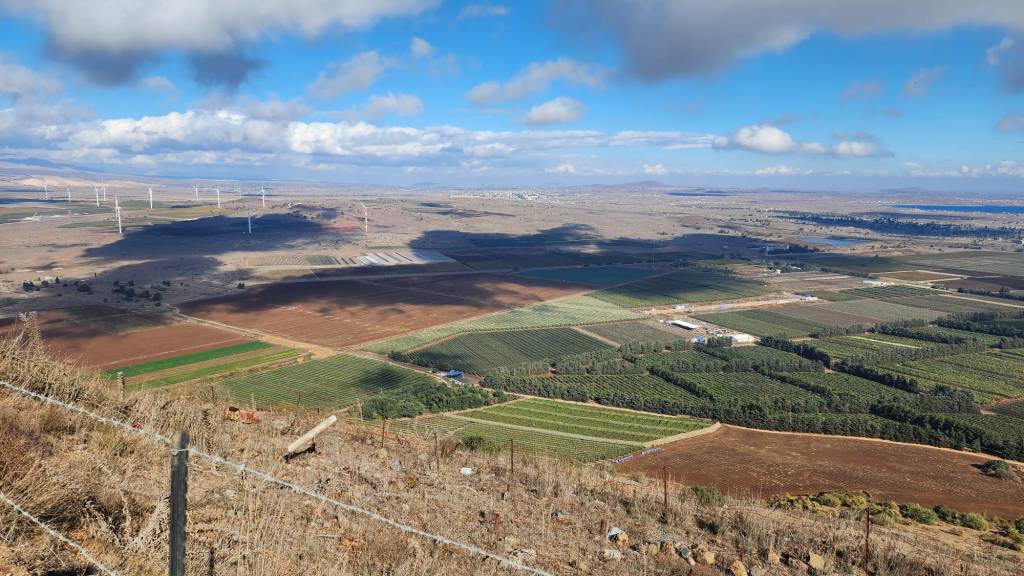
The Syrian border can be seen in this picture! We looked over the area as we heard from Tsuriel and imagined the fleet of soldiers and tanks covering the land below us.
 Sightseeing Sonographer